
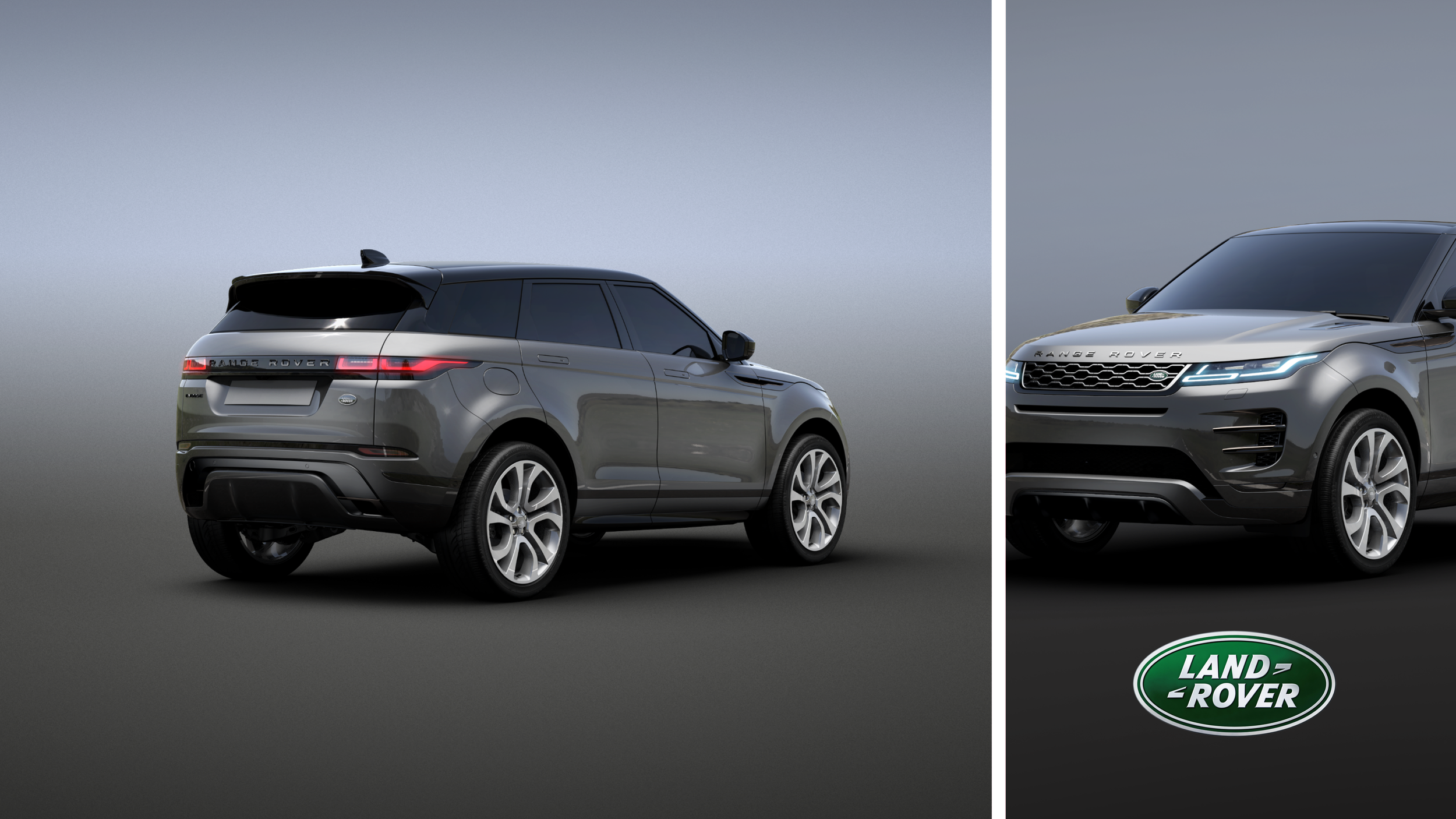
Role: UI designer
Partner/Client: Jaguar Land Rover
Industry: Automotive
Project: PIVI Pro
Year: 2019 - 2020
Designing to improve end user experience, comfort, and safety for JLR customers.
As part of the UX/UI team at JLR, I contributed to:
Conceptual design graphics for upcoming screen displays
Research into future automotive and visual design trends
Interactive wireframe creation
I collaborated with teams across interior design, colour & materials, haptics, and UX, gaining firsthand insight into how in-house design teams work from concept to final outputs. This experience enhanced my design skills and introduced me to new techniques, including animation and automotive rendering.
My most significant achievement was creating visual graphics for key car functions and features in the “P-ivi” infotainment system, now featured in several models, including the highly anticipated Land Rover Defender.
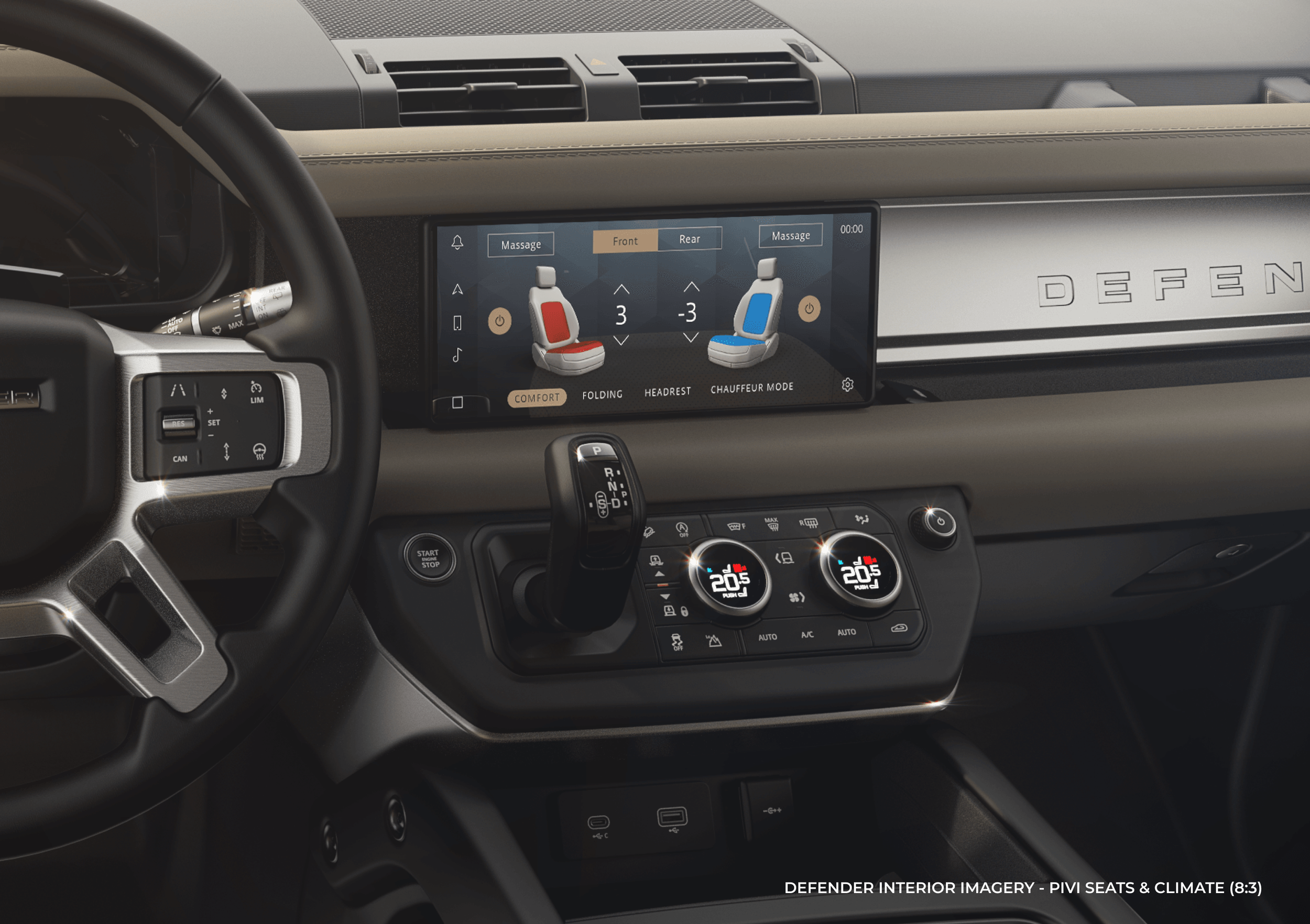
PIVI Pro: Seats & Climate
The Pivi Pro infotainment system features an industry-leading design and shares advanced electronic hardware with the latest smartphones. Since its debut in the Land Rover Defender in 2019, it has expanded across the lineup - including the all-electric Jaguar I-Pace in 2021 and its first 16:9 display in the Jaguar F-Pace in 2020.
Because Pivi Pro wasn’t designed exclusively for the Defender, it needed to feel at home in a wide range of interiors, from rugged and sporty to calm and modernist, each with its own distinct personality.
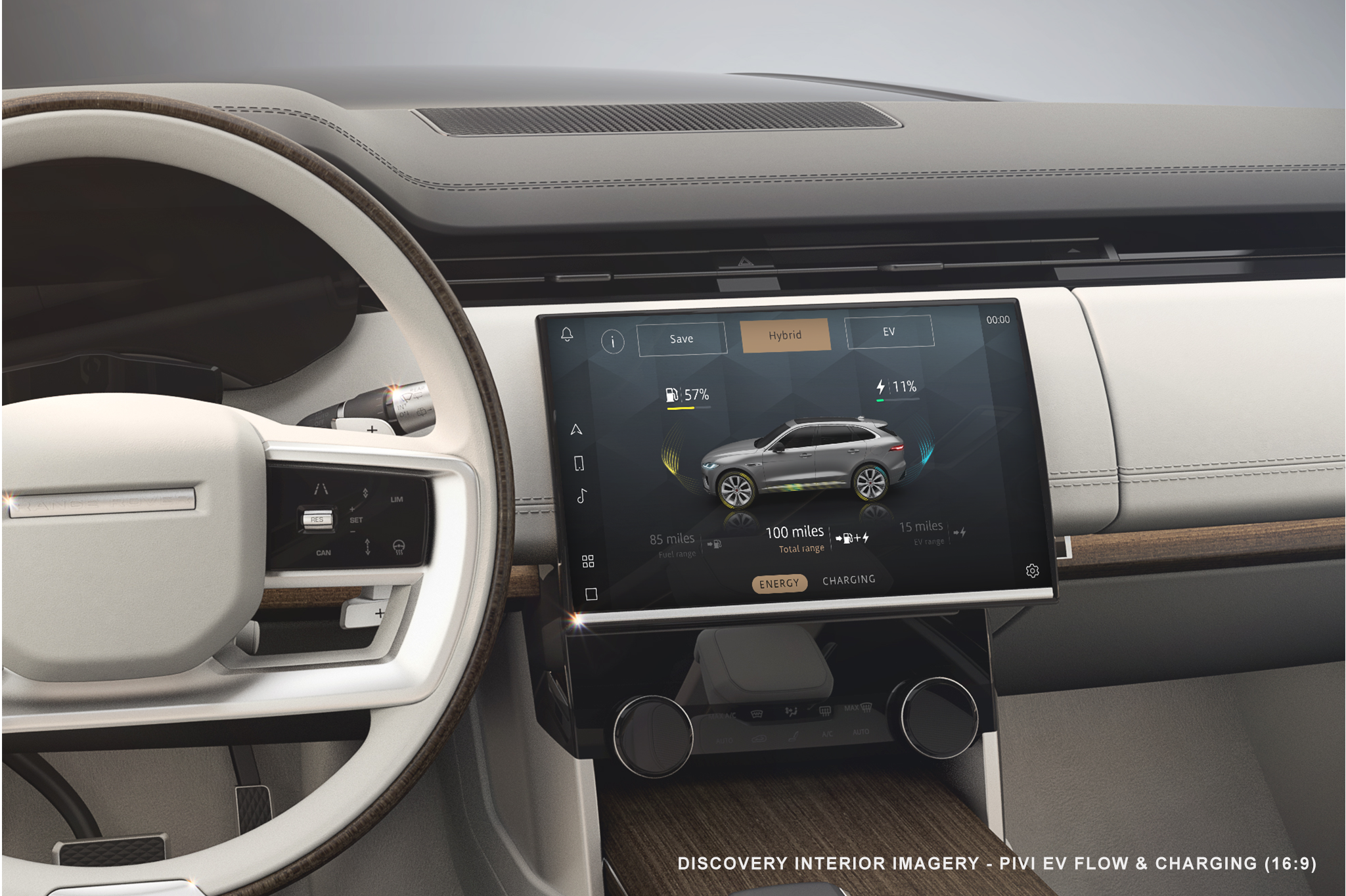
PIVI Pro: Energy Flow & Charging
Jaguar Land Rover is transitioning towards an all-electric future, producing both PHEV (plug-in hybrid electric vehicle) and BEV (battery electric vehicle) models. I was tasked with creating the energy flow and charging visuals for these vehicles, enabling users to clearly see how energy is distributed throughout the car. The interface also displays EV range and charging time.
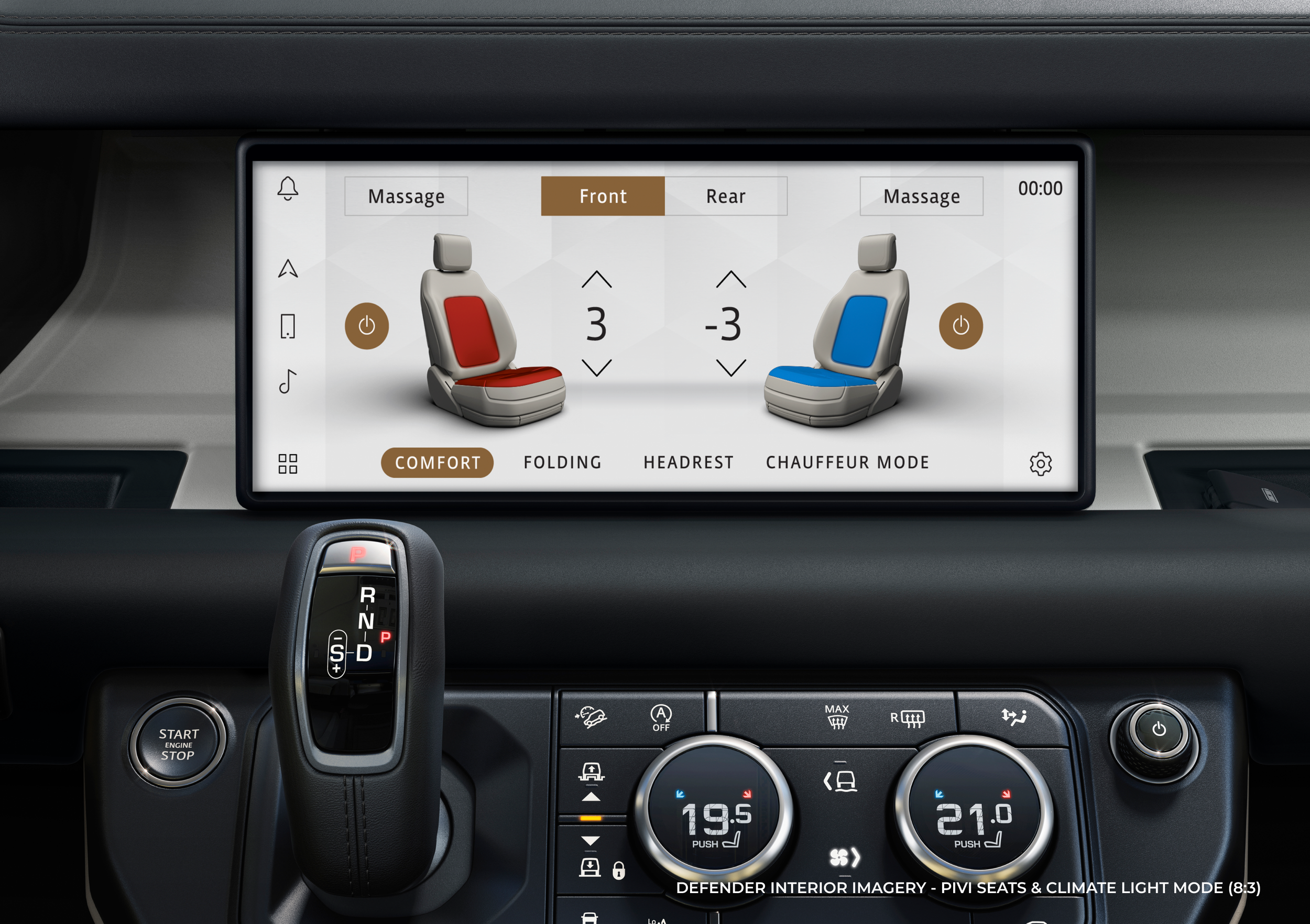
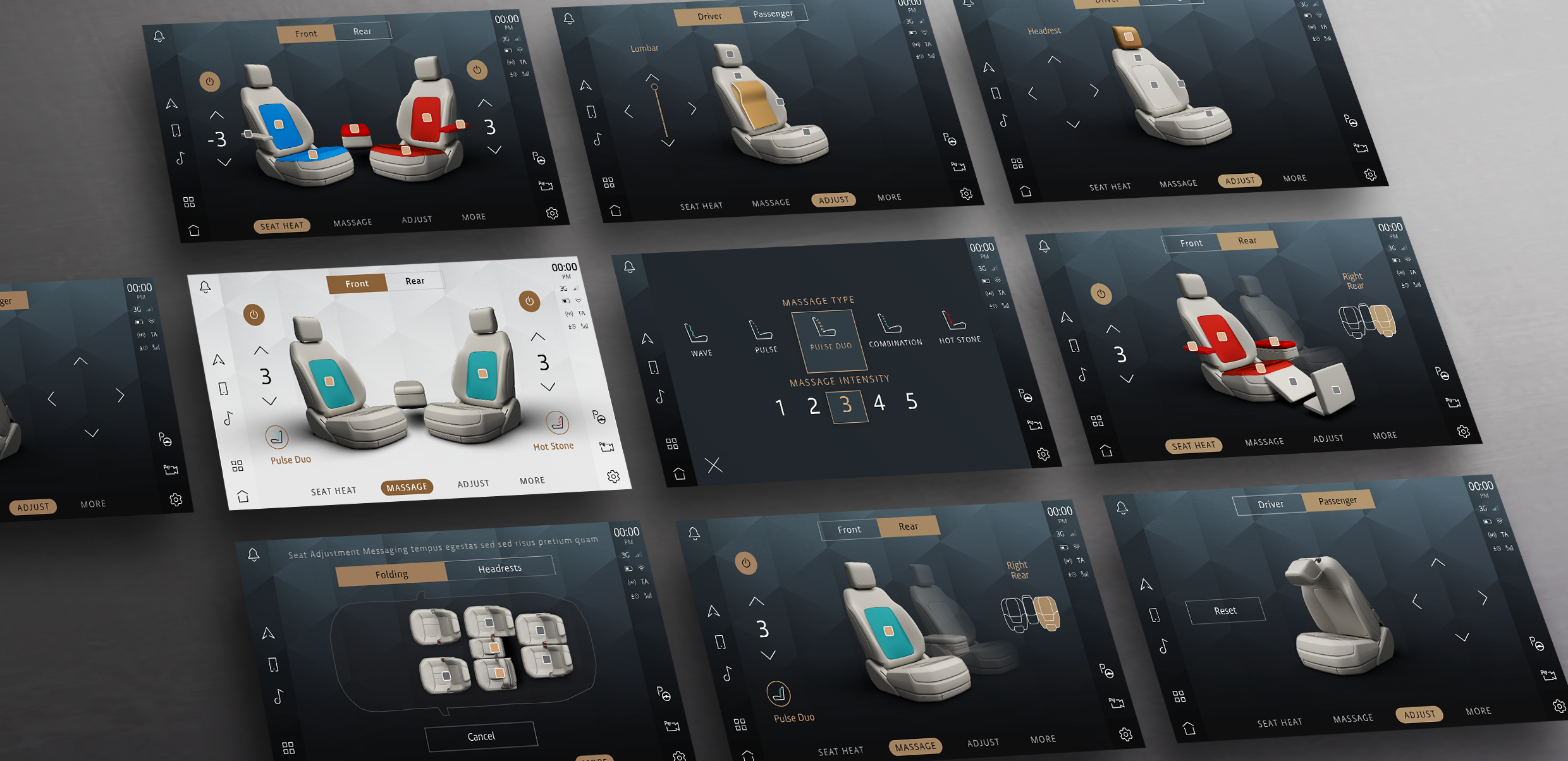
The Seats & Climate feature gives users full control over seat temperature, massage intensity and style, and seat positioning - including headrest, shoulders, lumbar, bolsters, and cushion via intuitive on-screen sliders for each axis. The interface dynamically highlights the selected adjustment area, responding in real time to user input. Users can also fold seats and headrests directly from the screen to create additional storage space.
I created feature graphics for each screen based on wireframe guidelines, developing two style guides to accommodate different screen dimensions.
PHEVs combine a petrol or diesel engine with an electric motor and a large rechargeable battery. The battery can be charged via a wall outlet, charging equipment, or regenerative braking.
The visual shows real-time energy flow between the engine, battery, and wheels.
In Save mode, the car runs solely on the combustion engine, distributing energy throughout the vehicle.
In EV mode, it drives using only electric power, with the engine providing assistance when needed.
In Hybrid mode, both the battery and the engine power the vehicle simultaneously.
BEVs run entirely on electric power, stored in an on-board battery. The battery is charged from mains electricity and through regenerative braking.

UI Ideation LR Discovery
As part of the move towards future single-screen models, I was tasked with creating interface concepts for the future Land Rover Discovery. This involved designing for an expanded range of features and controls within the infotainment system, while reflecting the core values of this iconic SUV and the needs of its customers.
